
The best books that make you think are the key to changing how we understand reality. I am Natasha Walker, and these are my recommendations.
Reading, for me, has always been equal parts enjoyment and transformation. My list of the best books that make you think isn’t just about entertainment—it’s about sparking questions, challenging reality, and nudging you to see the world with fresh eyes.
Although reading purely for pleasure is often wonderful, and finding one of those best books that make you think and feel comfortable and happy is a true gift, literature has always been the driving force of thought.
10 Best Books That Make You Think: Works That Change Your Perspective
If you’re looking for books that make you reflect and see the world from new perspectives, this selection brings together works that stand out for their depth, intellectual impact, and lasting impression. I’ve put together this deeply personal list: every book here made me pause, reflect, and sometimes even question everything I thought I knew.
‘The End Is My Beginning’ by Tiziano Terzani

This novel, besides being incredibly moving, is one of those books that has completely revolutionised my perspective. It tells the story of Tiziano Terzani, who sees his life approaching its end. He decides, then, that the time has come to have some important conversations with his son, Folco. In these conversations, he shares his experiences as the son of a humble Florentine family during World War II, his struggle to overcome social inequality to fulfil his dream of becoming a journalist, and his career path within the profession. This book will make you see the world you live in differently, so if you haven’t read it yet, now’s the time.
‘The Catcher in the Rye’ by J.D. Salinger
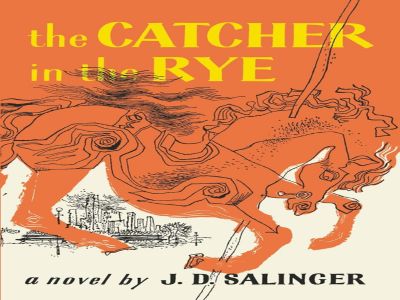
The Catcher in the Rye is one of those books that all teenagers should read. It reflects the nonconformist spirit of that age, the negativity and anxiety about an uncertain future, and how we can evolve. A fantastic book that will make you think about existence itself, especially recommended for young adults.
‘Do Androids Dream of Electric Sheep?’ by Philip K. Dick
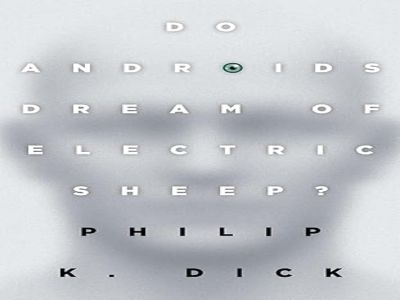
Philip K. Dick’s novel, Do Androids Dream of Electric Sheep? (Blade Runner: Do Androids Dream of Electric Sheep? in later printings) —The inspiration for the film Blade Runner explores profound questions about identity, technology, and the essence of being human.
Set in a devastated, post-apocalyptic future, society is obsessed with authenticity: owning a real animal is a rare status symbol, while most must settle for artificial, robotic substitutes. Mega-corporations manufacture androids (“andys”) so advanced that they are almost indistinguishable from humans. Rick Deckard, a bounty hunter, is tasked with “retiring” (destroying) the latest Nexus-6 androids, who have rebelled against their programmed roles. Through its intricate narrative, Dick’s novel challenges readers to reconsider the boundaries of identity, the ethics of artificial intelligence, and the fragile nature of what we call “human”.
‘Lord of the Flies’ by William Golding
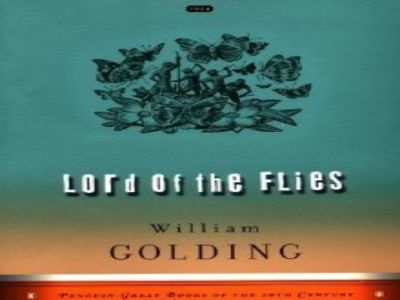
Lord of the Flies won the 1983 Nobel Prize in Literature. But this isn’t (only) what makes it essential reading. It’s a moral fable about the human condition. It begins with the terrible, desperate situation faced by about thirty boys on a deserted island, although this is merely the narrative pretext Golding uses to make us reflect on aggression, repressive education, and the inherent barbarity of humankind. A must-read.
‘The Celestine Prophecy’ by James Redfield
James Redfield became a bestseller when everyone was talking about The Celestine Prophecy as the book that would change our vision of humanity’s future. Within its pages, he tells the story of another manuscript lost in the Peruvian jungle, which contains nine revelations that shed light on the interpretation of the present and the future. An adventure story that will lead you to see the world in a different way.
‘Dracula’ by Bram Stoker
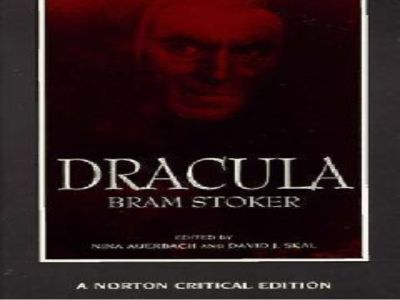
Dracula, the novel written by Bram Stoker, is undoubtedly one of the most famous horror stories in literature. This immortal classic is one of the most important exponents of European Romanticism at the end of the nineteenth century. It is a masterpiece and a canonical novel in Gothic literature, both for its story and its novelty at the time, as well as for the repercussions it had on culture and literature. Dracula draws on elements of reality and myths about vampirism in Eastern Europe, combining them with fiction and setting the action in late nineteenth-century London, the epicentre of the action.
‘The Knight in Rusty Armor’ by Robert Fisher
In this short book, Robert Fisher presents a reflection on life’s journey, represented by this knight in rusty armour who must forge his own path, leaving behind whatever holds him back.
‘Ender’s Game’ by Orson Scott Card
Science fiction has always been a unique space for reflection within the history of literature, and that is what Orson Scott Card uses to reflect on intelligence, the state, war, and respect for the species with which we coexist. And all of this is seen through the eyes of an exceptional child.
‘Frankenstein’ by Mary Shelley
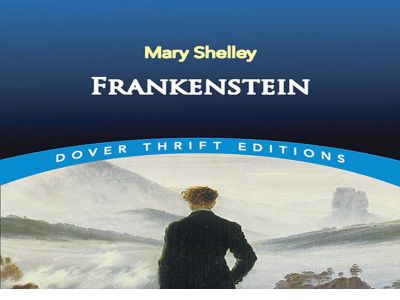
At just 19 years old, Mary Shelley crafted this magnificent work in only a couple of days. This alone is enough to reflect on the life of an author to whom history has given little importance. But in addition to giving shape to the mythical Frankenstein monster, the author presents a complete essay on life, the limits of science, creation, and love.
‘Jonathan Livingston Seagull’ by Richard Bach
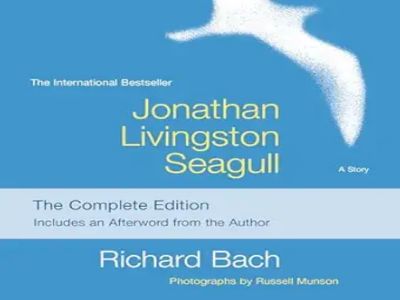
In this beautiful book, with exceptional prose, Richard Bach tells the story of a seagull obsessed with high-speed flight, despised by the other seagulls for his desire to reach greater heights. It will help you see yourself and your own ambitions from a different perspective.
“The Ponderings of Me, Myself and I” by (yours truly) Natasha Walker
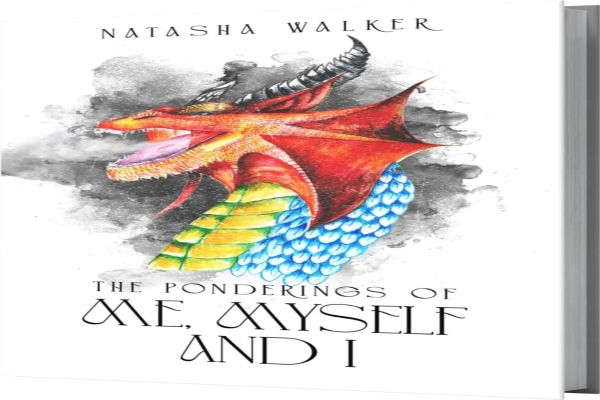
And last but not least, let me tell you about my own book, “The Ponderings of Me, Myself and I.” If you’re ready for an emotional rollercoaster—one that might have you snorting with laughter on one page and pondering life’s mysteries on the next—I invite you to join me. “The Ponderings of Me, Myself and I” isn’t just a book. It’s an invitation to reflect, to feel, and, above all, to see yourself in a new, more compassionate light.
Why I Believe Books That Make You Think Are Powerful
The best books that make you think never hand you answers on a silver platter. They push you to wrestle with big questions, sit with discomfort, and see the world with braver, more curious eyes.
If you’ve been searching—any of these titles is a great place to start.
These are books to give to a loved one or to yourself, because they mark a turning point, and you certainly won’t forget them. Are you ready to change your perspective on the world?